





















Kitchens
- Category Name
- Kitchens



Speak to our design professionals
Share your info, we’ll book your slot.
Get tailored made designs from our interior design services by asian paints.
Will you be living in your space during the renovation?
 Previous Question
Previous Question
Previous Question
Please Select Date and Day
Appointment Date & time



Tilt and turn uPVC windows offer two opening styles from a single handle: tilted for gentle ventilation, turned for a full opening. This guide explains the mechanism, its benefits over casement and sliding windows, and where it works best in an Indian home
Some windows just open. Tilt and turn uPVC windows open with options, tilted for a sliver of fresh air on a lazy Sunday, or swung wide open when the room needs a proper airing. It is one of those small mechanical ideas that quietly makes a home feel smarter. Here is how the mechanism actually works, and where it earns its keep best.
• What are Tilt-and-Turn uPVC Windows?
• How Tilt-and-Turn Windows Work
• Key Components of a Tilt-and-Turn Window
• Benefits of Tilt-and-Turn uPVC Windows
• Tilt-and-Turn Windows vs Casement Windows
• Tilt-and-Turn Windows vs Sliding Windows
• Best Places to Use Tilt-and-Turn Windows
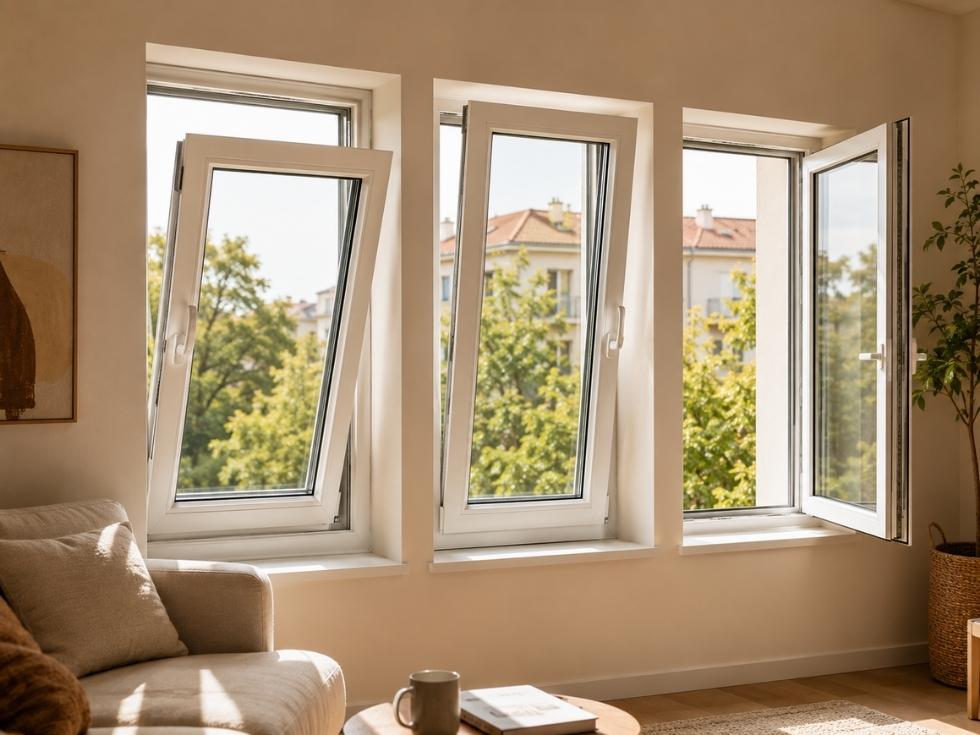
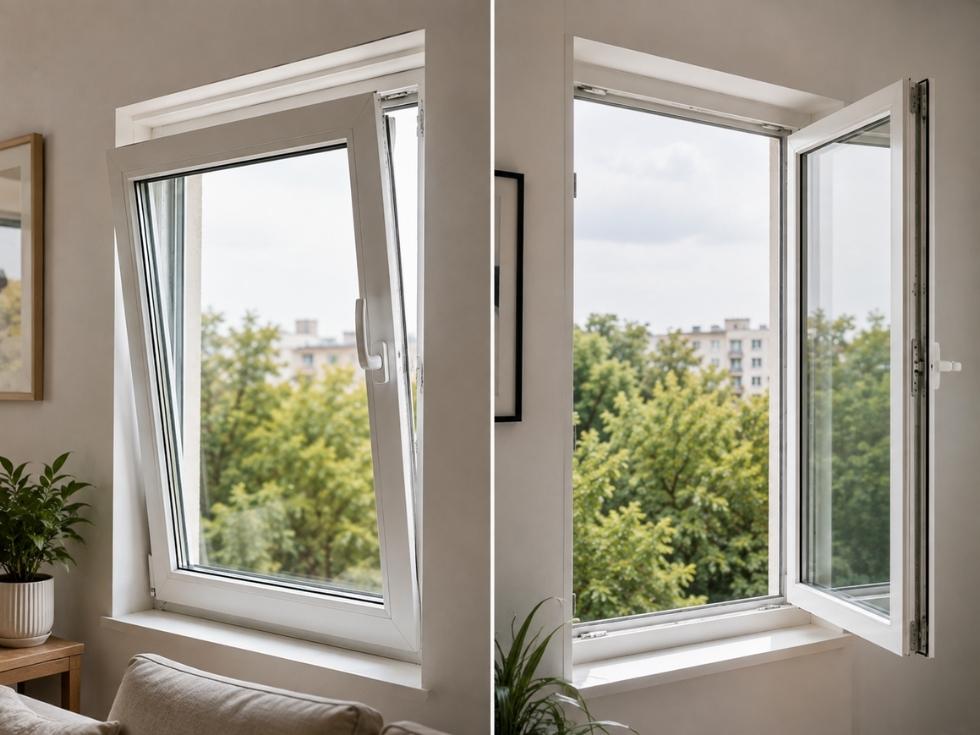
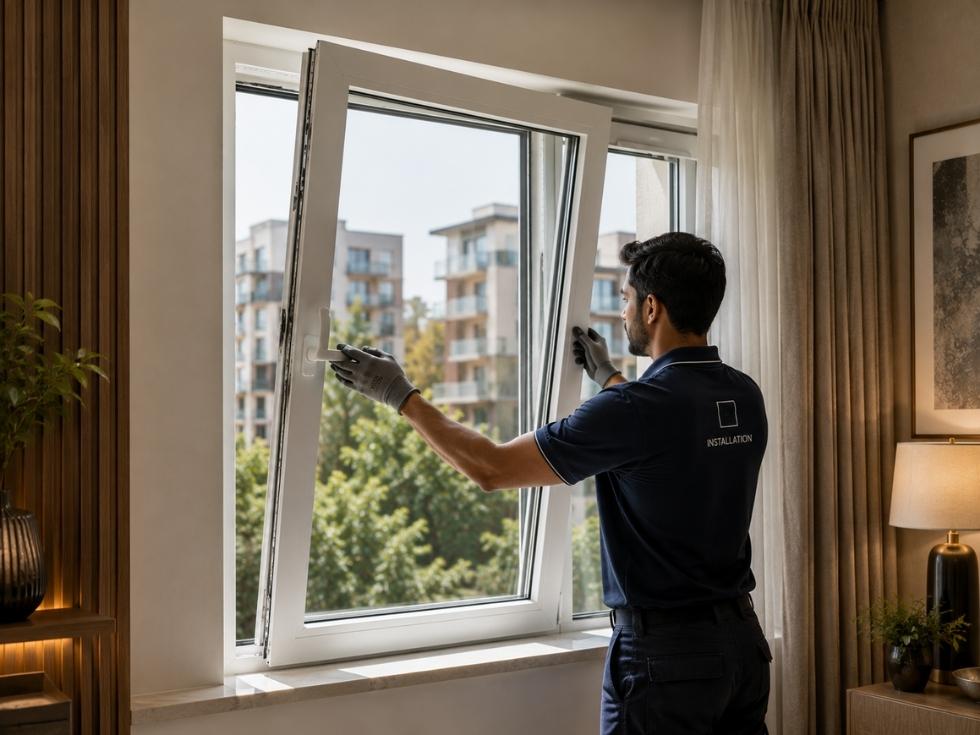
A single handle controls two completely different movements: tilting the top of the sash inward for ventilation, or swinging the whole window open like a door when turned further. One window, two personalities, depending entirely on how far you rotate the handle.
Unlike sliding windows or fixed casements that offer one way to open, tilt and turn uPVC windows give you a choice every single time you reach for the handle. That flexibility is rare among uPVC windows and doors built around a single opening style.
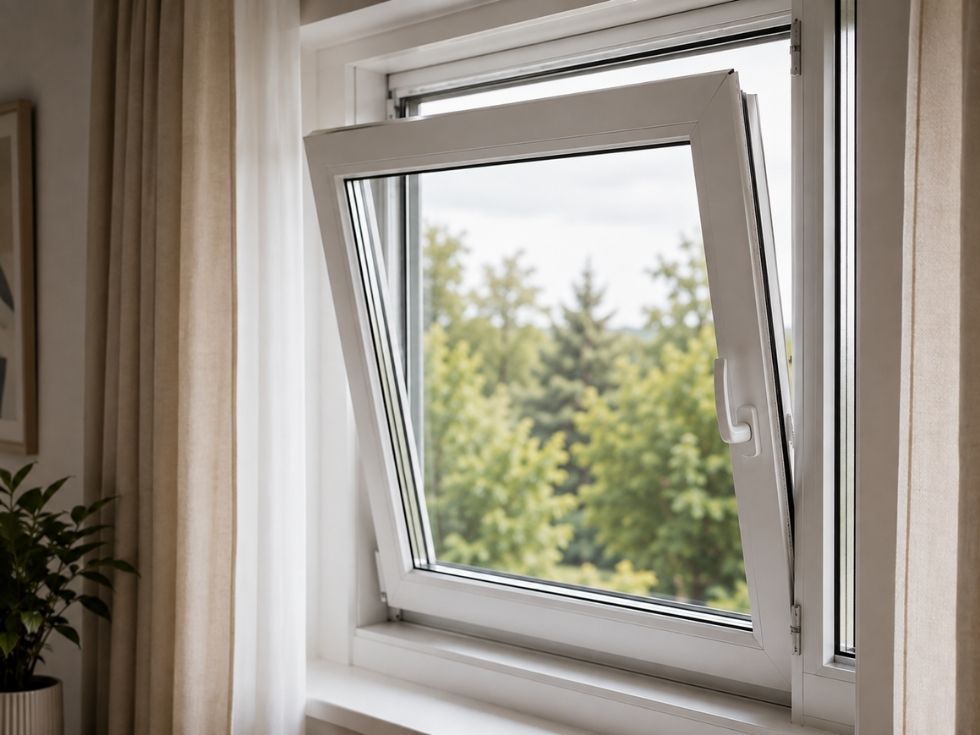
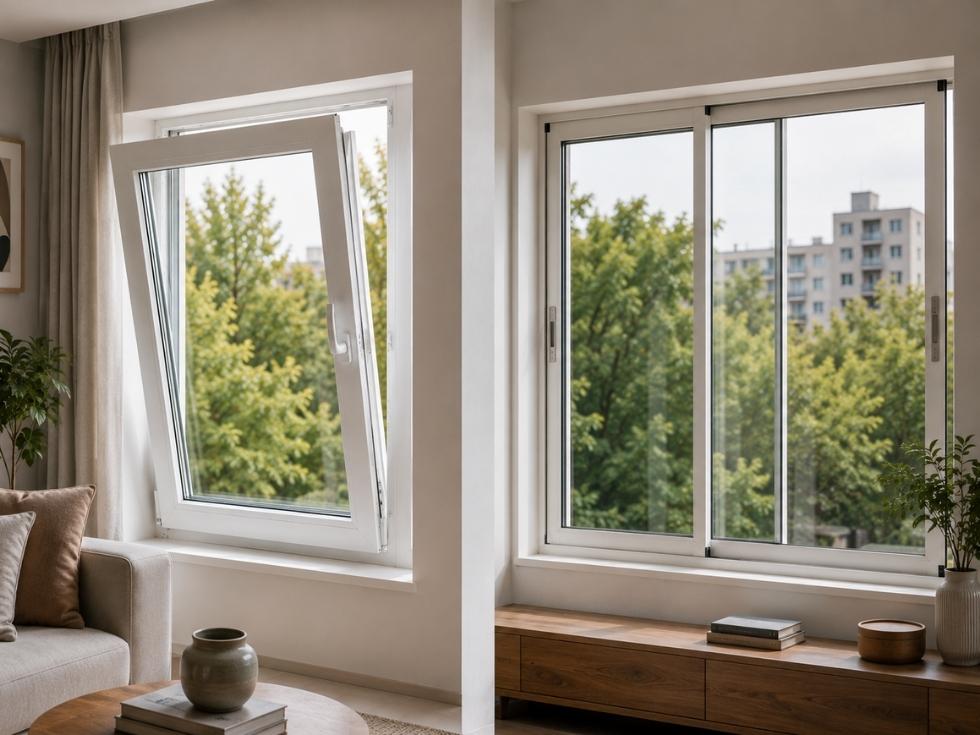
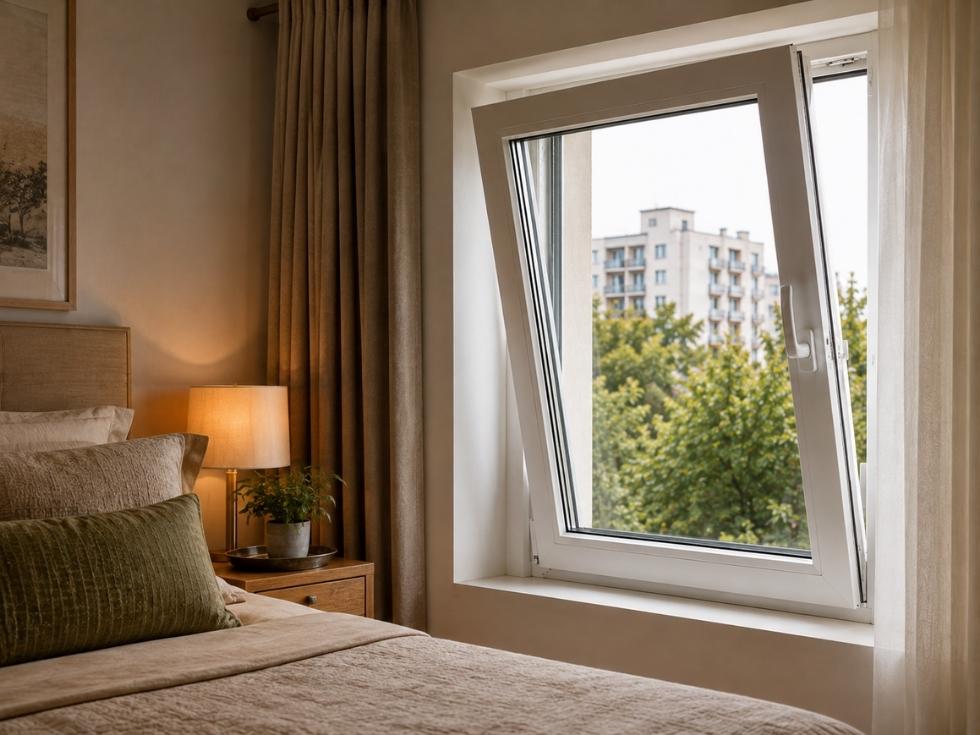
Turn the handle to the first position and the top of the sash tilts inward while the bottom stays put, creating a narrow, secure gap for ventilation. It is the setting most people leave their windows on overnight, since it lets air in without leaving much room for anything else to slip through.
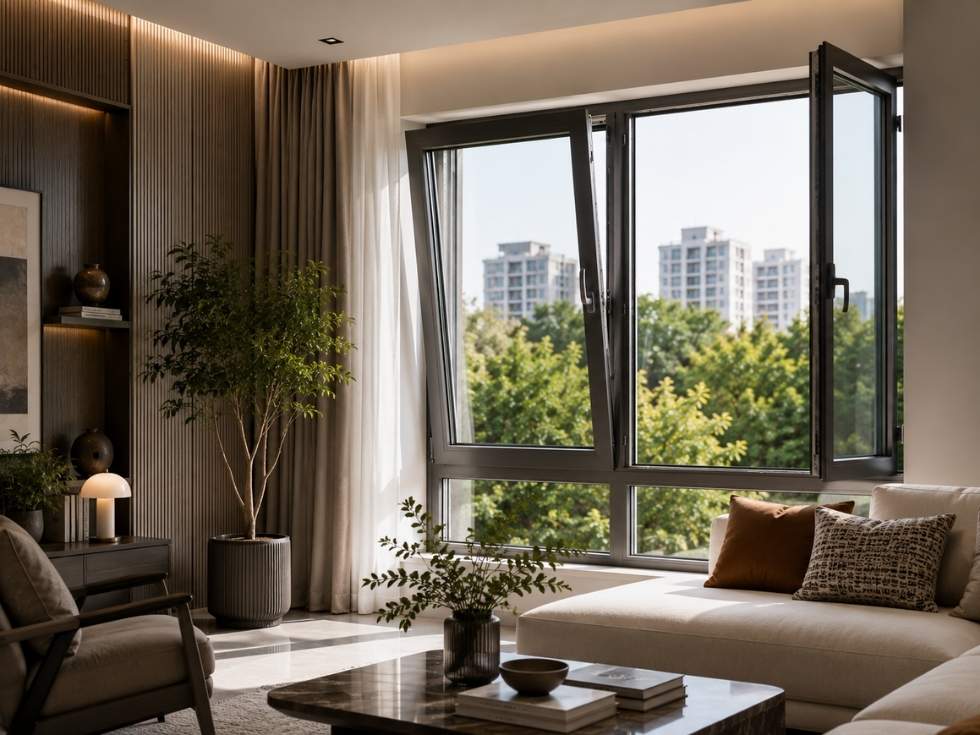
Rotate the handle further and the entire sash swings inward on its side hinge, opening the window fully like a door for cleaning, moving furniture, or simply letting the whole room breathe. This is where tilt and turn windows genuinely outshine most uPVC windows and doors on the market.
The beauty of the mechanism is how quickly you can switch between the two, no separate latch, no fiddly hardware, just one handle doing double duty. It is the kind of detail you only notice once you have lived with it for a while.
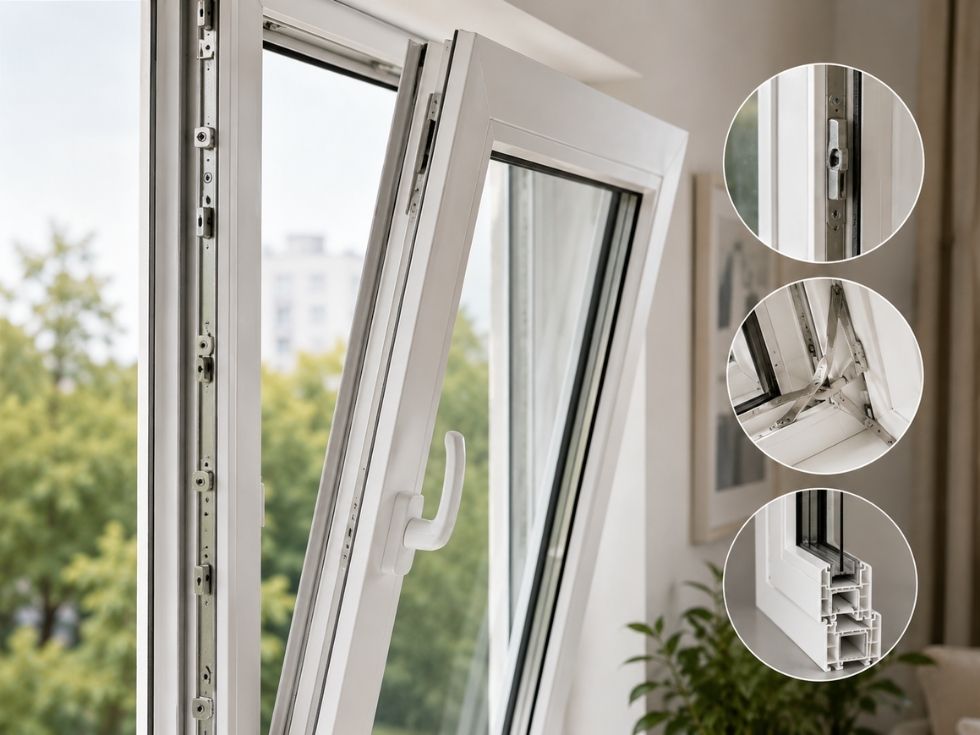
Multiple locking points run around the frame, engaging simultaneously when the handle turns to the locked position. This is a meaningful security upgrade over the single point locks found on many sliding windows.
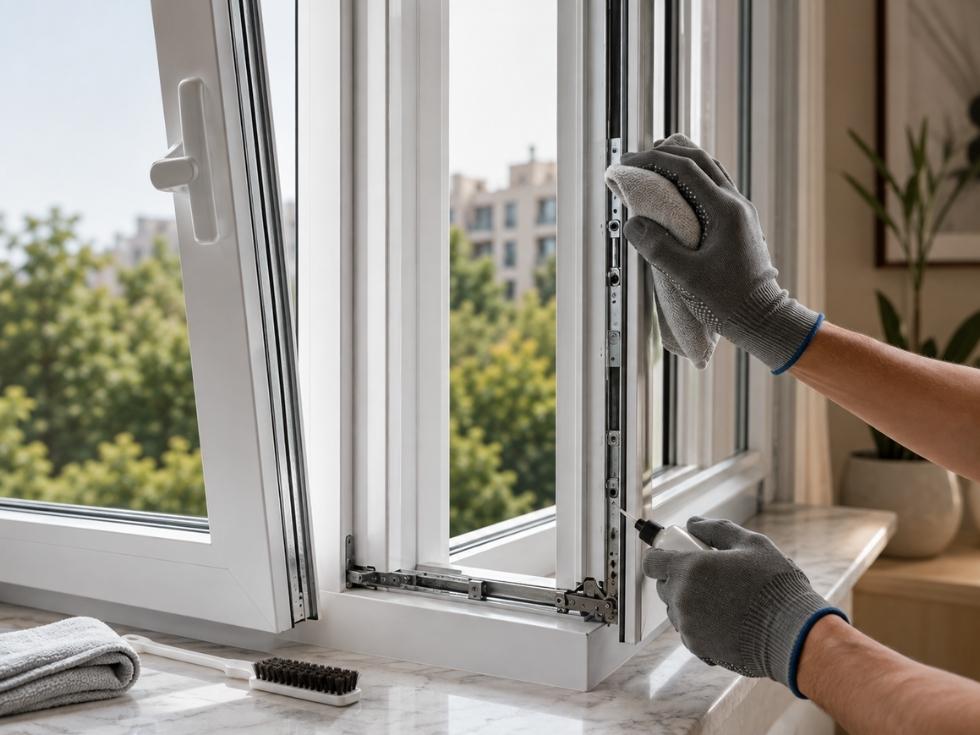
The hardware inside a tilt and turn window is genuinely more complex than a standard casement, coordinating the tilt and turn actions through a single spindle. Good quality hardware is what keeps that coordination smooth for years rather than months.
Like most uPVC windows, tilt and turn variants pair easily with double glazed windows for better insulation, and the frame itself comes in a range of finishes to match your interiors. Several uPVC window designs now offer this mechanism as standard, and the uPVC windows price for tilt and turn models tends to sit slightly higher than basic sliders, largely thanks to the extra hardware involved, much like the price gap you would see between basic and premium uPVC doors.
The tilt setting gives you fine, adjustable airflow that a fully open or fully shut window simply cannot match. On days when you want a breeze but not a gale, this is the setting doing all the quiet work.
Multi-point locking combined with the inward-opening turn function makes forced entry noticeably harder compared to many sliding windows. That inward swing also means there is no exterior hardware for anyone to tamper with from outside.
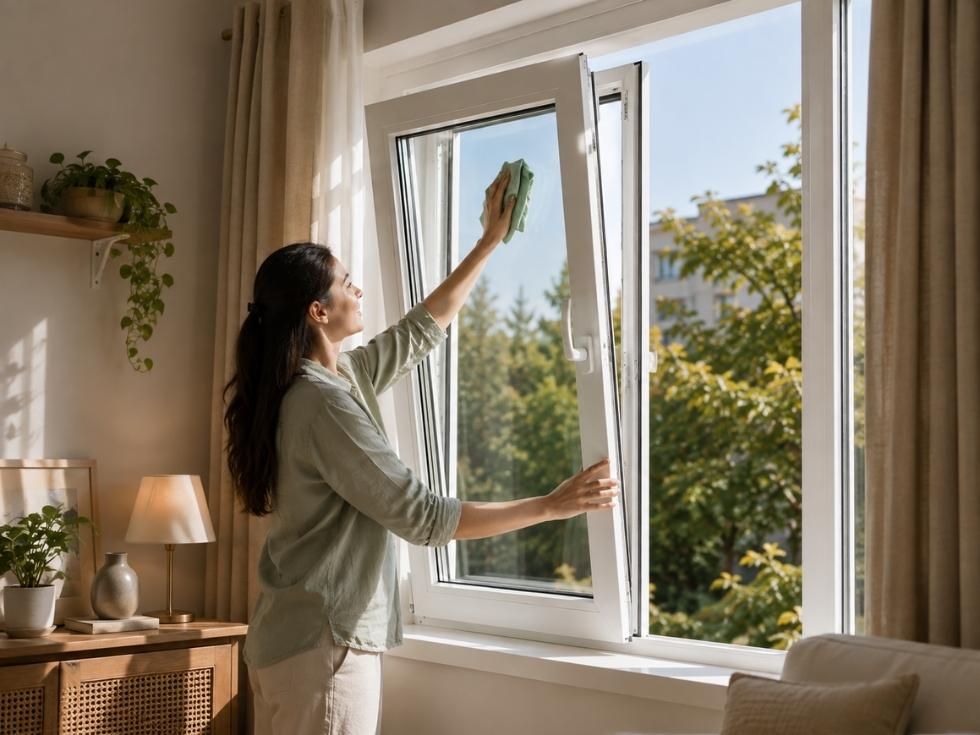
Because the sash swings fully inward, you can clean both sides of the glass from inside your home, no balancing on a ledge required. Anyone living above the ground floor will understand exactly how valuable that is.
The tilt and turn seal compresses tightly around the entire frame when locked, cutting down draughts more effectively than many uPVC doors and windows relying on a simpler locking action. Paired with double-glazed windows, the combination noticeably reduces heat gain in peak summer.
Casement windows open outward on a single hinge, giving you one fixed style of airflow, while tilt-and-turn windows offer the added tilt position for controlled ventilation. The extra setting is a genuine practical advantage in changeable weather.
Casement windows typically rely on fewer locking points than tilt and turn frames, making the latter the stronger choice where security is a priority. Both fall under the broader category of uPVC windows and doors, but the hardware inside tells a different story.
Casement windows swing outward, which can be a problem for balconies or narrow walkways, whereas tilt-and-turn windows swing inward and avoid that issue entirely. It is one more reason they suit space-constrained apartments so well.
Sliding windows move along a horizontal track and are wonderfully simple, but they offer only one way to open. Tilt-and-turn windows trade a little of that simplicity for genuine versatility.
Sliding windows typically open to half their total width at most, while a tilted sash lets air in without the security compromise of a wide open sliding window overnight. For controlled ventilation specifically, tilt and turn windows have the edge.
Sliding windows need their tracks kept clear of dust and debris to glide smoothly, while tilt and turn windows depend more on their hinge and locking hardware staying lubricated. Neither is high maintenance; they just ask for slightly different kinds of attention.
The tilt setting is perfect for bedrooms, offering steady overnight ventilation without leaving the window wide open. It is a small comfort that makes a real difference to sleep quality in warmer months.
Living rooms benefit from the full turn function when you want to air out the space quickly after cooking or entertaining. The wide opening also makes moving furniture through a ground floor window far less of a wrestling match.
Kitchens generate heat, steam, and the occasional smoke alarm moment, and a tilt-and-turn window lets you clear the air fast with the full turn setting. The tilt position also works well for everyday background ventilation while cooking.
Since the sash swings inward rather than outward, tilt-and-turn windows suit high-rise apartments where an outward-swinging casement could be a hazard or simply impractical; it is one of the more sensible upgrades for urban Indian homes.
Between the flexible ventilation, the added security, and the easier cleaning, it is not hard to see why tilt-and-turn uPVC windows have become a favourite among architects and homeowners alike. They manage to feel both practical and a little bit clever, which is a rare combination in hardware most people only think about twice a year.
Since the sash opens inward, you will need to keep the immediate interior space free of curtains, furniture, or shelving that could block its swing. It is worth measuring this clearance before finalising your window layout.
Tilt and turn frames are no heavier than standard uPVC windows, but the opening still needs to be measured precisely to avoid gaps that could compromise the seal. Getting this right the first time saves a lot of adjustment later.
The tilt and turn mechanism relies on precise hardware alignment, so professional installation genuinely matters here more than it does for simpler window types. A slightly misaligned spindle can turn a smooth mechanism into a stiff, frustrating one.
A simple wipe down with a damp cloth keeps uPVC frames looking fresh, and the inward swing makes reaching every surface refreshingly easy. There are no external tracks to worry about the way there are with sliding windows, and the same easy upkeep applies to any uPVC doors installed alongside them.
An occasional drop of silicone lubricant on the hinges and locking points keeps the tilt and turn action smooth for years. It takes less time than watering a houseplant.
A quick check every year or so, making sure the handle moves freely and the locking points engage properly, catches wear before it becomes a real problem. It is a two-minute habit worth building into your seasonal home checklist.
A casement window opens outward on a single hinge, while a tilt-and-turn window can either tilt inward from the top for ventilation or turn fully inward like a door, all from one handle.
Yes, their inward opening design suits apartments and high-rise homes particularly well, and the tilt setting is genuinely useful for managing ventilation during humid or dusty months.
Generally, yes, thanks to their multi-point locking system, which engages at several points around the frame at once, compared to the single-point locks found on many standard windows.
Absolutely, and their inward swing makes them a safer, more practical choice than outward-opening casements in these settings.
The uPVC windows price for tilt-and-turn models usually runs a little higher than basic sliding windows, mainly due to the more complex hardware inside, but many homeowners find the added functionality worth it.
Very little; an occasional wipe down of the frame and a drop of lubricant on the hinges once or twice a year is generally all they need to keep working smoothly.
Drop your info and we will call you to book your preferred consultation slot our experts will reach out to you.
Yes, I would like to receive important updates and notifications on WhatsApp.
By proceeding, I authorize Asian Paints Limited and its authorized contractors/partners to contact me via WhatsApp, phone calls, SMS and e-mail and I agree to the Terms & Conditions and Privacy Policy.
Our team will contact you for further details.
We were unable to receive your details. Please try submitting them again.


