






















Kitchens
- Category Name
- Kitchens



Speak to our design professionals
Share your info, we’ll book your slot.
Get tailored made designs from our interior design services by asian paints.
Will you be living in your space during the renovation?
 Previous Question
Previous Question
Previous Question
Please Select Date and Day
Appointment Date & time



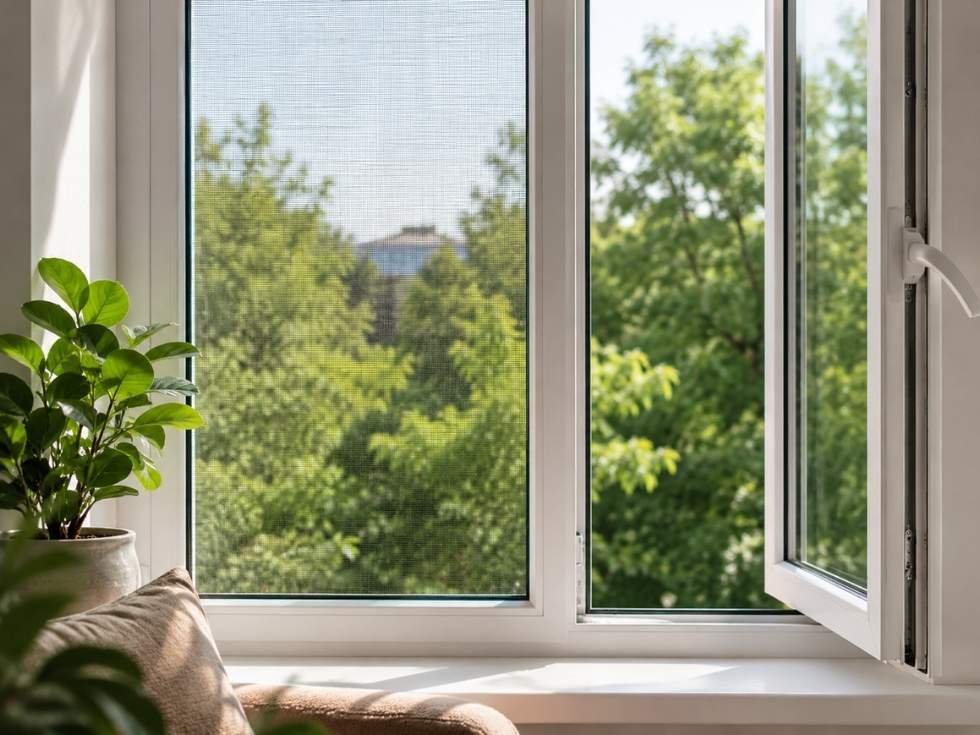
Mosquito mesh and insect screens let uPVC windows stay open without letting the outdoors' entire flying population in with them. This guide covers every mesh type and material available, how to fit and maintain them, and which option suits which window
Fresh air and fewer mosquito bites should not be a trade-off, and thanks to modern mesh systems, they no longer have to be. Mosquito mesh and insect screens let you keep your uPVC windows wide open on a warm evening without turning the room into a buffet for every flying insect in the neighbourhood. This guide walks through the mesh types available, how to fit them properly, and how to keep them working well for years.
• Why Install Mosquito Mesh on uPVC Windows?
• How Mosquito Mesh Systems Work
• Types of Mosquito Mesh and Insect Screens Available
• Choosing the Right Mesh Material
• Mosquito Screens for Different uPVC Window Types
• How to Choose the Right Mosquito Screen
• Fixed vs Retractable Mosquito Screens
• Common Problems Homeowners Face with Insect Screens
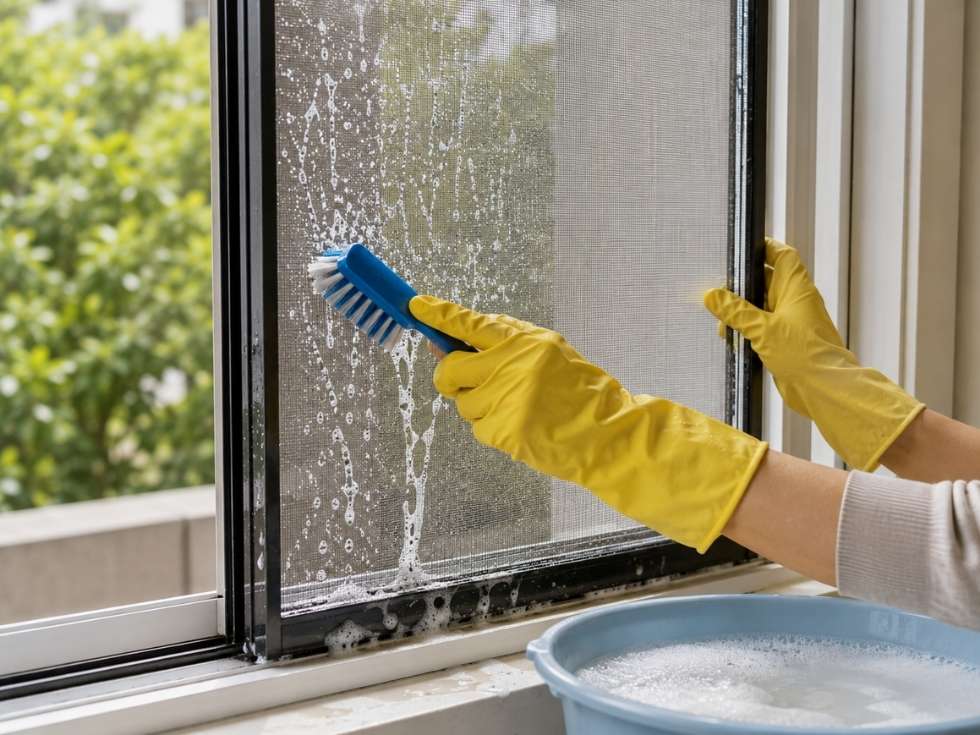
• How to Clean Mosquito Mesh Properly
• Maintenance Tips for Long-Term Performance
• Child Safety, Visibility and Ventilation Considerations
• Common Mistakes to Avoid When Selecting Mosquito Screens
• Quick Guide: Which Mosquito Screen is Right for Your Home?
The whole point of mosquito mesh is letting air move freely while everything with wings stays firmly outside. It sounds simple, but the difference it makes to how often you actually open your windows is significant.
Fewer insects indoors means fewer bites, less buzzing at night, and a general sense that your home is a little more sealed off from the outside world's crawling and flying residents. It is a small upgrade with an outsized impact on comfort.
Without mesh, many households simply keep uPVC windows shut most of the day to avoid insects, which defeats half the purpose of good ventilation in the first place. Mesh removes that trade-off entirely, and a well-fitted mosquito net for windows tends to get homeowners opening their windows far more often than they did before.
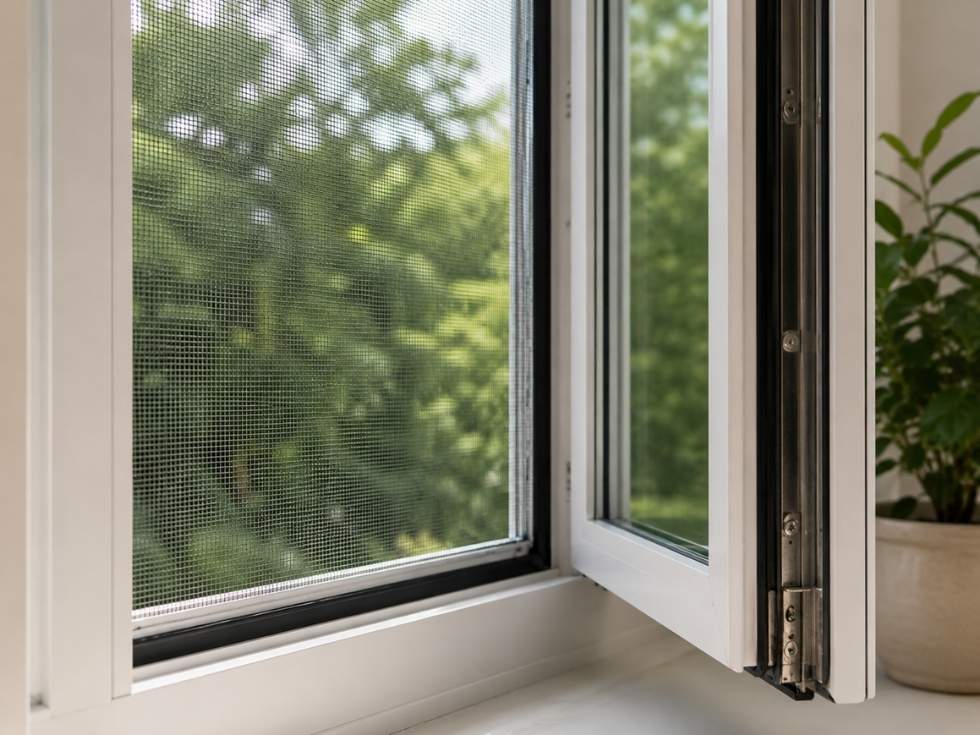
Every mesh system pairs a woven window mesh, fine enough to stop insects but open enough to let air through, with a frame that holds it taut against the window opening. Get either part wrong, and you either let insects through or choke off the airflow.
Mosquito mesh has been adapted to fit sliding windows, casement windows, tilt and turn frames, and pretty much every other configuration uPVC windows and doors come in these days. The fitting method changes with the window type, but the underlying goal stays the same, and even homes with an ornamental window grill design can usually have mesh fitted just behind it without clashing visually.
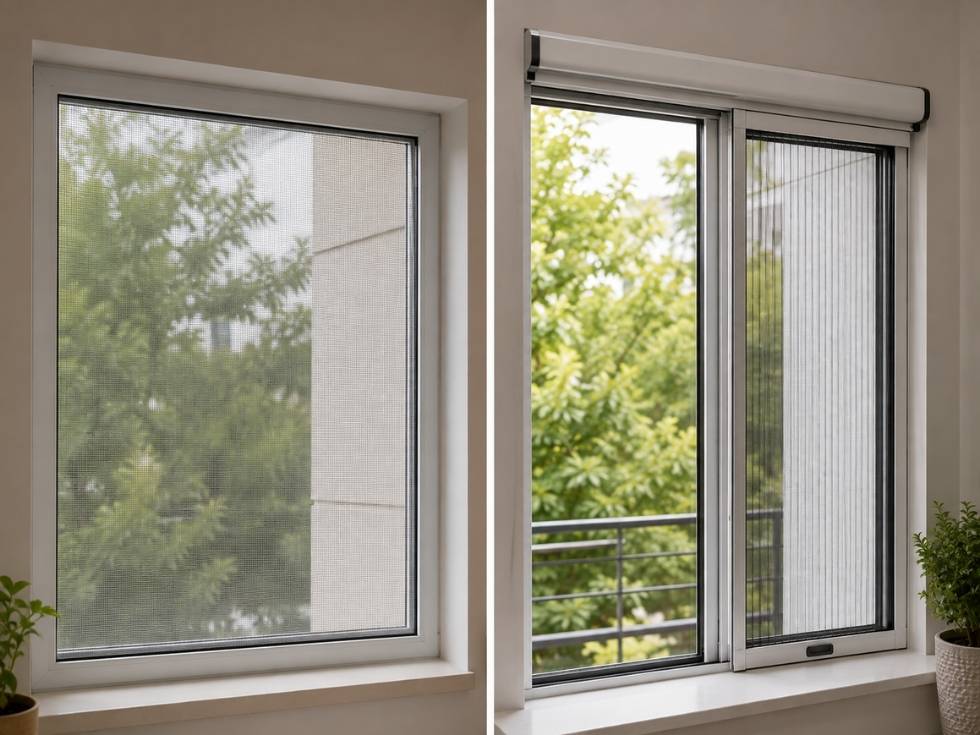
A fixed screen sits permanently in place over the opening, offering constant protection with no moving parts to maintain. It is the simplest option, ideal for windows that rarely need to be fully unobstructed.
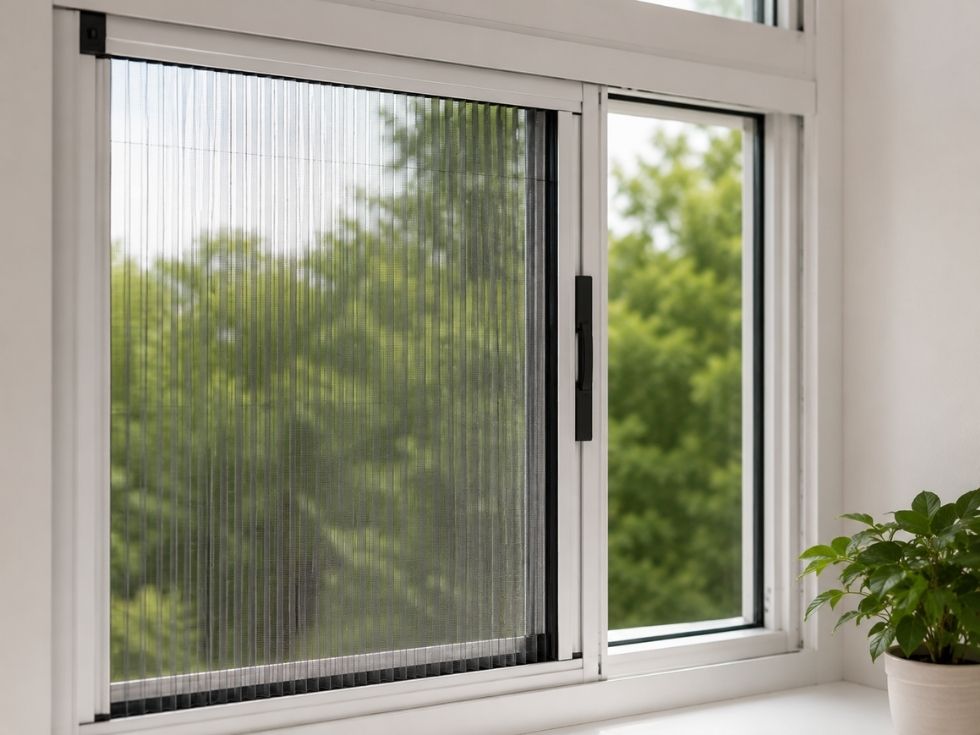
Sliding mesh panels move along their own track, mirroring the motion of sliding windows themselves, so you can open or close the mesh independently of the glass. This is a natural pairing for homes already built around sliding windows.
Pleated mesh folds neatly into a slim cassette when not in use, then unfolds smoothly across the opening when needed. It offers a tidy, almost invisible look that appeals to homeowners who want protection without a visual footprint.
Roller screens work much like a roller blind, rolling down from a cassette at the top of the frame and locking into place at the bottom. They are compact, easy to operate, and simple to retract completely out of sight.
Magnetic screens use hidden magnetic strips along the frame edges to hold the mesh in place, snapping shut automatically after you walk through. They are especially popular for doors and frequently used openings.
Screen Type | Ease of Use | Maintenance | Durability | Best Applications |
Fixed Insect Screens | Simple, no moving parts | Minimal, occasional dusting | High, no mechanism to wear out | Windows rarely opened fully |
Sliding Mosquito Mesh | Easy, mirrors window's own sliding motion | Track needs periodic cleaning | Good, depends on track upkeep | Sliding uPVC windows and doors |
Pleated Retractable Mesh | Smooth fold away action | Occasional lubrication of the cassette mechanism | Good, if kept clean and dry | Frequently opened windows wanting a tidy look |
Roller Mosquito Screens | Simple roll down and lock operation | Cassette and track need occasional cleaning | Good, compact when retracted | Windows and French doors with wide openings |
Magnetic Insect Screens | Very easy, snaps shut automatically | Very low, occasional wipe down | Moderate, depends on magnet and mesh quality | Frequently used doors and openings |
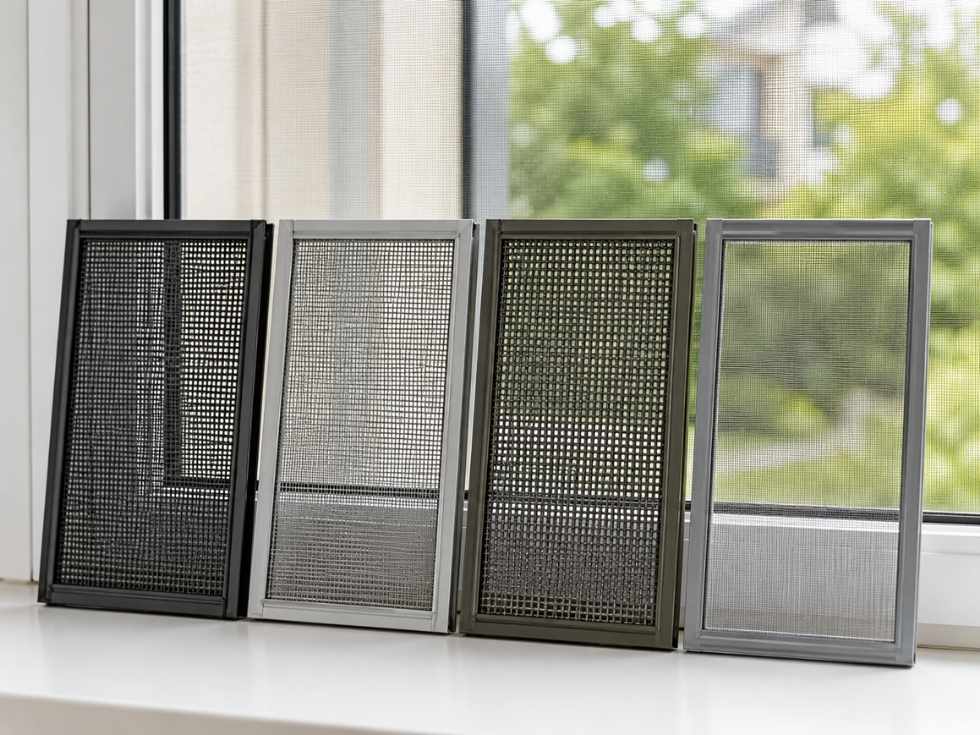
Fiberglass is the most common mesh material, valued for being affordable, flexible, and resistant to rust or corrosion over time. It is a dependable, budget-friendly default for most uPVC windows.
Stainless steel mesh costs more but delivers serious durability and pest resistance, making it a strong choice for ground floor windows or areas prone to determined insects and small pests. It holds its shape well and rarely needs replacing.
Aluminium mesh strikes a balance between strength and visibility, offering good airflow and a clean look while resisting corrosion better than untreated steel. It is a popular middle ground for homeowners who want something sturdier than fiberglass.
Finer, high-visibility weaves prioritise a clearer view through the screen for windows where you do not want the mesh to dim the outside view.
Sliding mesh panels remain the natural fit for sliding windows, gliding along a parallel track without interfering with the glass panel's own movement.
Casement windows, which swing outward, pair well with fixed or pleated mesh fitted just inside the frame, clear of the swinging sash.
Tilt and turn windows need mesh designed around their dual opening motion, usually a pleated or fixed screen that accommodates both the tilt and the full turn.
Larger openings like French windows call for roller or sliding mesh that can span the full width without sagging.
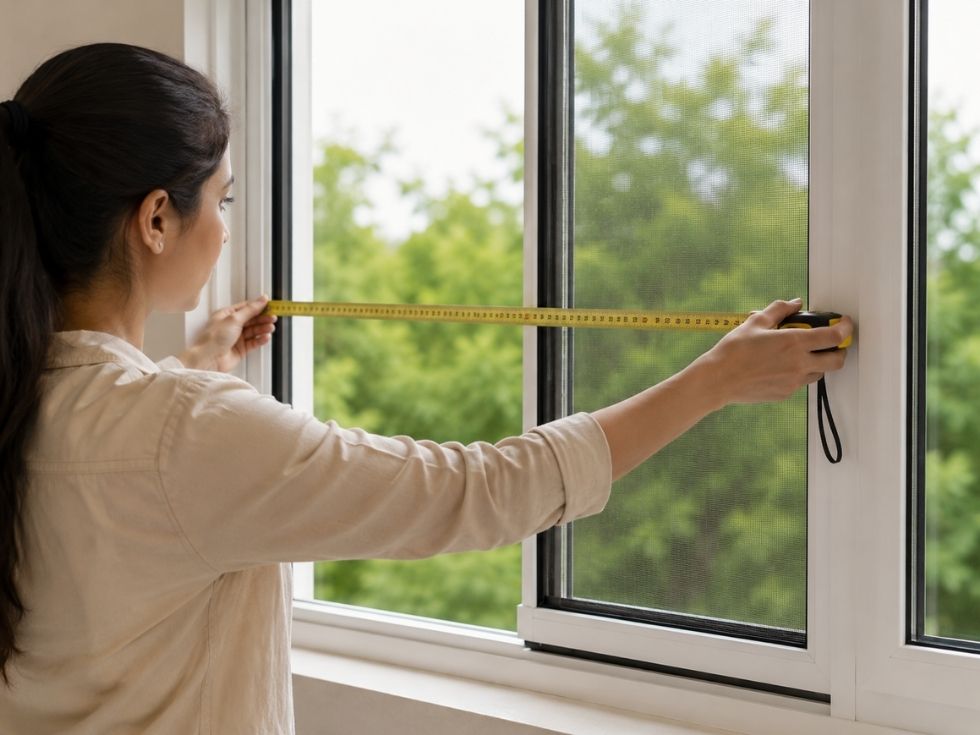
Larger openings benefit from roller or sliding systems that handle wider spans without sagging, while smaller windows work well with simpler fixed screens. Measuring accurately before ordering avoids a mesh that never quite sits flush.
Windows opened multiple times a day suit retractable or magnetic screens that move easily out of the way, while rarely opened windows are perfectly served by a fixed screen.
Homes near green spaces or water bodies may want a finer weave or sturdier stainless-steel mesh, while typical urban apartments usually do fine with standard fiberglass or aluminium options.
Fixed screens are the simplest and often the most affordable option, requiring no moving parts and virtually no adjustment once installed.
Retractable screens, whether pleated, roller or sliding, let you clear the opening completely when you want an unobstructed view or need to clean the window glass without obstruction.
Modern homes increasingly lean toward retractable systems for the flexibility they offer, though fixed screens remain a perfectly sound choice for windows that rarely need to be fully open.
Feature | Fixed Screen | Retractable Screen |
Cost | Generally lower | Generally higher |
Convenience | Always in place, no operation needed | Can be opened or cleared fully when not needed |
Appearance | Visible at all times | Can disappear from view when retracted |
Cleaning | Window glass cleaned around the fixed mesh | Mesh can be moved aside for easier glass cleaning |
Durability | Very durable, no moving parts | Durable with regular care of the moving mechanism |
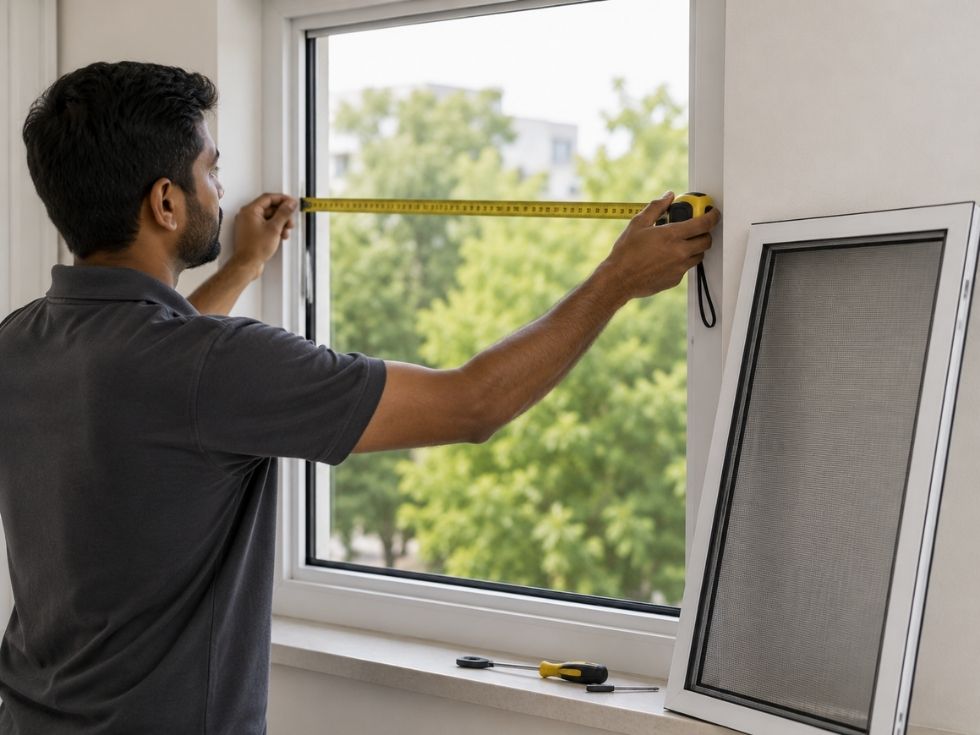
Precise measurements matter enormously here, since even a small gap around the mesh frame gives insects an easy way in. It is worth measuring twice before any mesh is cut or ordered.
Different uPVC window designs need slightly different mounting approaches, so confirming compatibility with your specific window profile avoids a mismatched fit down the line. This matters even more when a decorative window grill design is already in place, since the mesh frame has to sit neatly alongside it rather than fight it for space.
Simple fixed or magnetic screens are often manageable as a DIY project, while sliding, roller and pleated systems generally benefit from professional fitting to ensure smooth, long-term operation.
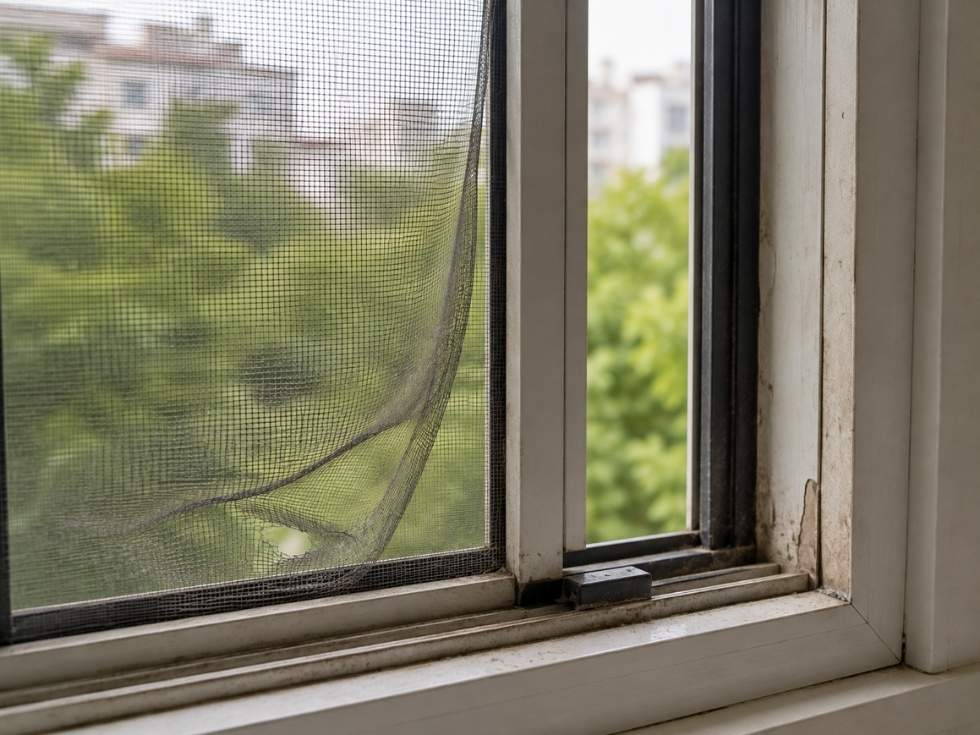
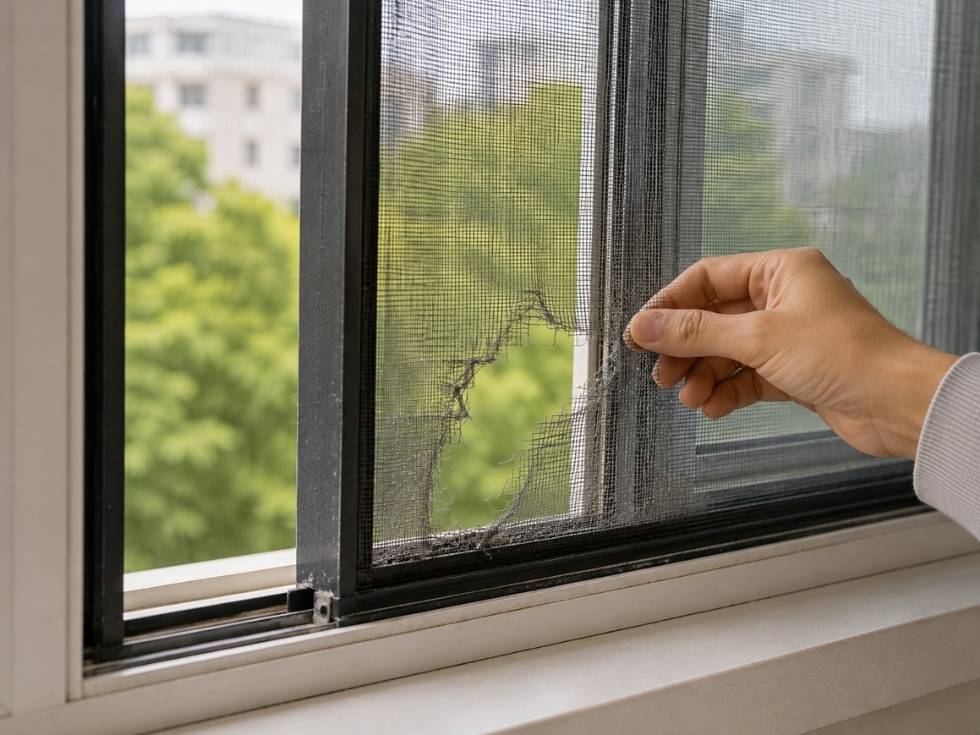
Mesh that has stretched or lost tension over time tends to sag, leaving gaps that defeat the whole purpose of the screen. Retensioning or replacing the affected panel usually solves it.
Frames can warp or crack from years of sun exposure, particularly cheaper plastic variants, so choosing a quality frame material upfront pays off in the long run. A sturdier frame also holds up better when paired with an existing window grill design, since it takes on some of the load instead of relying purely on the wall fixing.
Tracks and rollers that have collected dust often start sticking, turning a smooth glide into a stubborn tug. Regular cleaning usually restores normal operation.
A soft brush attachment on a vacuum cleaner, run gently over the mesh every couple of weeks keeps dust from building up and clogging the weave.
For a deeper clean, remove the panel where possible and rinse gently with a mild soap solution, then let it air dry fully before refitting.
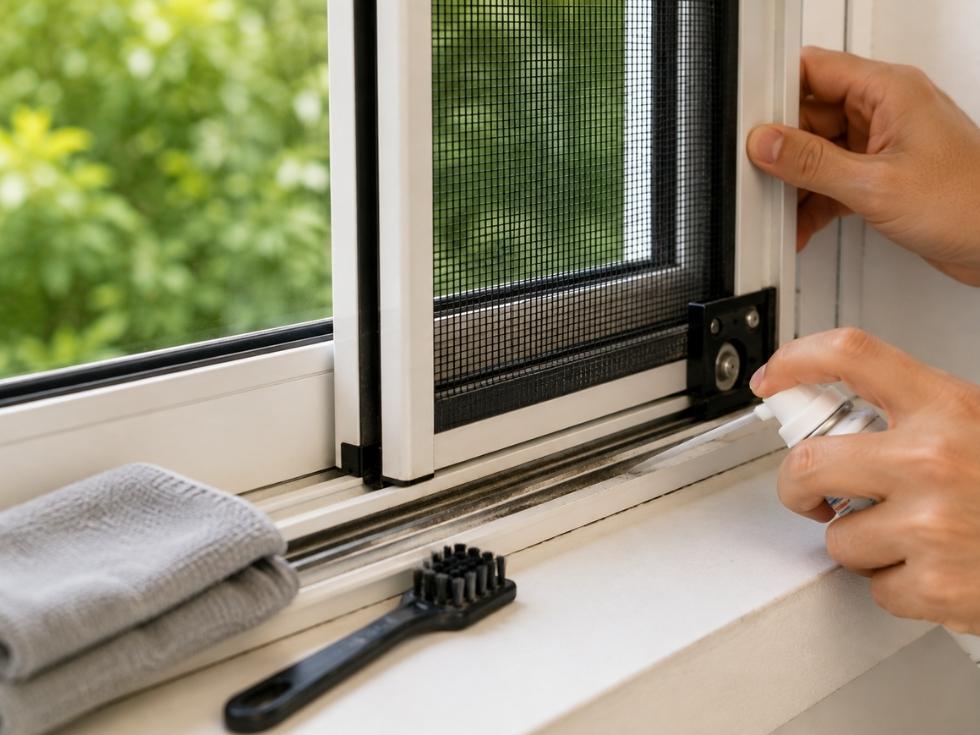
Wipe down tracks and frames with a damp cloth to clear grit that could otherwise interfere with sliding or rolling mechanisms.
A quick visual check every few months catches small tears before they widen into a gap large enough for insects to exploit.
A light silicone lubricant on tracks and rollers keeps retractable systems moving smoothly, much like maintaining any other moving hardware around uPVC windows and doors.
A dedicated check before the warmer months, when insect activity peaks, ensures your mesh is ready exactly when you need it most.
A well-fitted mesh should never noticeably restrict airflow, and most quality weaves are engineered specifically to avoid that trade-off.
High-visibility mesh options keep the view through your windows largely intact, which matters for homes that value natural light and outlook as much as ventilation.
Picking the cheapest option without considering your local insect pressure or window exposure often leads to disappointing durability.
A fixed screen on a window you open constantly, or a retractable system on one you never touch, both waste money relative to how the window actually gets used.
The lowest-priced mesh sometimes needs replacing within a couple of years, quietly costing more over time than a slightly pricier, longer-lasting option.
Magnetic or pleated screens suit apartments well, offering protection without demanding much space.
Sliding or roller systems work nicely across larger homes with multiple sliding windows and doors to cover.
Roller and sliding mesh handle wide spans most reliably without sagging.
Fixed screens remain the lowest maintenance option, needing virtually no attention once installed.
Fiberglass is the most popular all-rounder for uPVC windows, while stainless steel suits homes wanting maximum durability and aluminium offers a solid middle ground.
With regular cleaning and lubrication, retractable screens can last just as long, though their moving parts do need a bit more attention over the years.
Yes, most mesh systems can be retrofitted onto existing uPVC windows and doors without needing to replace the window itself.
A light dusting every couple of weeks, with a deeper wash every few months, keeps most mesh systems performing well.
Sliding mesh panels are the most natural fit for sliding windows, moving in parallel with the glass without interfering with its operation.
A quality mesh has minimal impact on either, though very fine weaves used for extra insect protection can slightly reduce light and airflow compared to an open window.
Drop your info and we will call you to book your preferred consultation slot our experts will reach out to you.
Yes, I would like to receive important updates and notifications on WhatsApp.
By proceeding, I authorize Asian Paints Limited and its authorized contractors/partners to contact me via WhatsApp, phone calls, SMS and e-mail and I agree to the Terms & Conditions and Privacy Policy.
Our team will contact you for further details.
We were unable to receive your details. Please try submitting them again.


